The post Top 8 Tips For Your Alumni Fundraising Strategy appeared first on Aluminati Network Group.
]]>Alumni fundraising is an essential aspect for institutions to maintain a certain level of excellence. As there is so much that rests on successful alumni fundraising, developing an effective alumni fundraising strategy is paramount.
It is also imperative that institutions stay updated with trends and provide an ongoing alumni experience that best facilitates fundraising and engagement with members.
Here are some of the best ways to achieve this.

1. Make Your Campaigns Targeted
When marketing a fundraising campaign for alumni, institutions could make the mistake of making this campaign about the university. Instead, the campaign should be about the alumni. Always focus on putting your target audience first, and making them feel like the fundraising efforts are about them.
For example, use language like “your university” over “the university” and communicate stories and experiences that your alumni can relate to. This type of alumni relationship marketing helps alumni feel a deeper connection to the institution, which will help to result in more successful fundraising efforts.
Watch the video below to find out how Aluminate Community Builder can implement targeted fundraising campaigns across your community.
Find out how Aluminate Community Builder can help you build your community.
2. Segment Your Alumni Lists
One of the best ways to run a fundraising strategy is to target different alumni groups with different messages and content. The way you approach alumni will make a major difference to what they might offer.
For example, a fresh graduate and a major supporter have two very different things to offer. Asking them for the same donation is going to be ineffective.

To achieve this, you will need a database of all your alumni. A great strategy would be to divide your alumni into three lists. These could include fresh graduates, mid-tier existing donors, and major donors. You could also create a list of alumni who have never made donations.
Targeting each list with strategic requests and content will help you deliver a more personalized alumni fundraising strategy. Ultimately, this will result in securing more donations.

3. Develop a Highly Engaged Alumni Network
To achieve this, your institution will need to use the right alumni network platform.
By simply using the right online platform, it is easier to interact with your alumni and keep them engaged with your brand; and in turn, they will be more willing and eager to remain connected with your institution.
A platform like Aluminate for Education facilitates easy alumni networking and provides institutions with all the tools and features they need to engage and connect with alumni effectively.

4. Build An Alumni Community
Another strategy to improve alumni fundraising is to focus your fundraising strategy on a community, and not on individuals. Yes, you want to personalize your outreach, but having an alumni community makes it easier to get more people actively involved.
Developing an engaged community can be achieved through events, sending newsletters, facilitating networking opportunities, and more. Having an easily-accessible alumni directory can also help to strengthen communities.
By starting with an active community of alumni, instead of a handful of individual donors, you can raise awareness around fundraising and gather more interest.

5. Don’t Forget Young Alumni
Fresh graduates probably don’t have the ability to make donations to your institution. However, this doesn’t mean they should be left out of your alumni fundraising strategy.
In order to develop long-term sustainable alumni fundraising strategies, institutions should focus on engaging with alumni as early as possible. By building relationships with fresh graduates from the start, institutions will be better positioned to obtain donations from them later on.
Another effective strategy specific to new alumni is to encourage them to get involved with their community by reaching out to their networks. They may not personally make donations at a young age, but their connections may add value, or make donations.

6. Create Strong Relationships
You can’t expect an old graduate to just turn up out of the blue and offer a large donation. Instead, your institution will need to develop a relationship with that alumni over time.
To do this, you should focus on creating and adding value. This could mean running events that alumni are interested in, sharing valuable content (like articles and videos), and scheduling alumni networking opportunities.
Strong alumni relationships form the foundation for alumni fundraising. Developing these relationships requires consistent effort and outreach.

7. Show Your Appreciation
Attracting donations is the first step. The second step is trying to secure those donations again the next year. The best way to do this is to ensure that alumni feel appreciated and valued for their contributions.
Whether an alumni make a $50 donation or a $5000 donation, make sure that they are recognized for their efforts. Alumni fundraising shouldn’t only be focused on dollar amounts, but it should also be focused on levels of engagement and participation.

8. Incentivize Alumni
You may struggle to attract donations if alumni feel like they’re not actually making an actual difference or are getting something in return. Thus, it is important to make sure that you add value to alumni.
Host events that they will deem value-add, with plentiful networking opportunities, and highlight the significance of the contribution to your institution and what fundraising will help you achieve. If alumni understand the value of their contributions, they will be more willing to donate, on an annual basis.

Summary
By providing a sumptuous alumni experience and building and developing relationships with alumni, institutions can enhance fundraising strategies in a big way.
It is imperative to start relationship-building from the early stages and continue to work on the bond for the long term. This can be achieved by engaging with alumni on a regular basis and adding value by sharing valuable content and information.
Follow the tips above and focus on forging lasting alumni relationships. When done right, your alumni can be one of your institution’s most valuable assets.
Why not get in touch with our team today to see how Aluminate Community Builder can help you make the most of your alumni community?
The post Top 8 Tips For Your Alumni Fundraising Strategy appeared first on Aluminati Network Group.
]]>The post A Comprehensive Look At Alumni Giving Statistics And Membership appeared first on Aluminati Network Group.
]]>One of the main reasons why institutions focus on developing alumni networks is to promote alumni giving/donations. In order to achieve this, it is important to create the right kind of alumni relationships and networks that facilitate alumni giving.
An effective method is to understand alumni giving statistics, and optimize your membership program to match current trends.
In this guide, we’ll take a look at how alumni giving works, what some of the biggest alumni giving trends are, and how institutions can optimize their alumni programs to achieve better results.
Find out how Aluminate Community Builder can help you build your online community.

What is Alumni Giving?
Alumni giving, or alumni participation, refers to the percentage of an institution’s alumni that make an annual financial contribution to their alma mater. Alumni giving is one of the key metrics used to measure alumni satisfaction. It’s also one of the main goals, or KPIs, of alumni programs.
Alumni donations are one of the main reasons why institutions set up alumni programs in the first place. And with the right alumni engagement strategies, the donations alumni make can form a significant part of any institution’s annual revenue.
Measuring alumni giving doesn’t necessarily have to be counted on a financial basis. Because it’s measured as a percentage, alumni giving can be based on the level of participation.
For example, a donation of $50 could be recognized in the same light as a donation of $500 if you are purely focused on engagement. With many alumni giving statistics, having engaged alumni that are actively participating may be more important to measure than the amount they are giving.
Although, securing higher donations is of course important. For this to happen, institutions will need to engage with their alumni in the right way.

Why is Alumni Giving So Important?
Institutions need resources in order to provide a quality experience, and resources are made available through funding. One of the best ways that institutions can access funding is through their dedicated supporters. This is where having an engaged and active alumni community is important.
For colleges and universities, alumni giving helps to fund various important projects and areas of operation. These typically include the general operating budget, scholarships, unique alumni programs, and campus renovations.
In order for institutions to be able to offer something special, beyond their standard annual budget, they often rely on alumni donations.

Important Alumni Giving Statistics
There’s a fair amount of strategic thinking that is involved in attracting and maintaining alumni giving. This is why it’s important to understand the data and trends around alumni giving.
Here are a few important statistics for institutions to be aware of:
- Alumni fundraising rates are starting to drop. According to a recent study, donations and giving growth are slowing down significantly. The study reveals how many universities rely on fewer larger donations. We will explore more solutions to improve alumni giving further on.
- Alumni giving is closely related to how the stock market is performing. According to the annual report from the nonprofit Council for Aid to Education, there seems to be a correlation between stock market performance and alumni donations. For example, when the markets were doing well in 2017, alumni giving increased by 14.5%.
- Since the Tax Cuts and Job Act passed in the US, there are fewer taxpayer benefits for making charitable donations. With fewer benefits comes fewer alumni donations. In the UK, charitable donations have also dropped since the pandemic, with university fundraising declining by 17%.

- 93% of alumni organizations do not offer any benefits to their alumni, or they don’t see any worthwhile engagement from the benefits that they do offer.
- 75% of alumni have said that they would increase engagement with their institution if they made their information benefits mobile-friendly.
- 74% of alumni donors appreciate personal thank you recognition for their donations or membership.
- 78% of alumni want to be able to access their alumni benefits online, while 22% prefer benefits sent by mail.
- As per an article in the Washington Post, encouraging fresh alumni to start developing giving habits early is important. This helps alumni to build giving relationships early on, which can result in many years of benefits for the institution. This is also enhanced by the fact that young people’s spending power is increasing, thus institutions shouldn’t only look towards their older donors.
- 67% of wealthy donors have said that their biggest challenge around donations is finding the right cause to support. For institutions that want to attract more alumni giving, this means they should focus on highlighting the importance of their cause.

How to Improve Alumni Giving
Looking at the alumni giving statistics above provides institutions with some valuable insights. It’s important to understand this data and how it relates to your alumni engagement strategy.
To attract more donors, institutions should be using the right alumni engagement software platform. This platform should provide easily-accessible online benefits. As an institution, you should also make the most of this tool to share valuable content, attract attendees for events, and ensure that the overall mission of your institution is made clear.
This will give alumni members more reason to show their support.
If your institution is looking to improve alumni giving, you should also focus on expanding your alumni network, as well as develop relationships with your known alumni donors.
This is especially important as institutions need to attract younger donors and build relationships with fresh alumni. Besides encouraging younger alumni to donate, you should also concentrate on building relationships with them and get them actively involved in their alumni membership program.
Summary
With the right strategies and online platform, your institution can optimize its alumni relationships, giving capacity and increase overall education and corporate alumni engagement. This is essential for improving and expanding alumni giving.
Realize the current alumni giving trends and understand how your institution can respond to them. This is necessary for creating a sustainable alumni network.
Get in touch today to find out how we can help your organisation’s fundraising strategy.
The post A Comprehensive Look At Alumni Giving Statistics And Membership appeared first on Aluminati Network Group.
]]>The post Expanding Your Fundraising Community appeared first on Aluminati Network Group.
]]>
Subscribe to receive updates when we publish new and interesting content.

Creative Solutions
We were joined by Ben Parker of Stockcrowd UK who gave the groups his insights on the digital fundraising landscape, how this presents a commercial opportunity for organisations and how our new partnership with Stockcrowd UK can help organisations grow their donor supporter base.
Stockcrowd UK started in 2015 with the vision to enable any organisation to turn their own website and digital channels into their own fundraising platform, rather than using a 3rd party technology. However, due to the current trend in fundraising moving towards digital technologies, some challenges were perceived. Firstly, the online giving market has become very crowded and the ability for an organisation to differentiate its cause from any other is becoming increasingly difficult and secondly, the issue of control over payments and data. With a typical donation flow, the donor donates money to the third-party platform which, in turn, distributes the money to the organisation. The problem with this is that the 3rd party provider owns and controls the donor data. This creates a barrier between the organisation and its donor community leaving the organisation unable to build an emotional connection that would make the campaigns more successful.
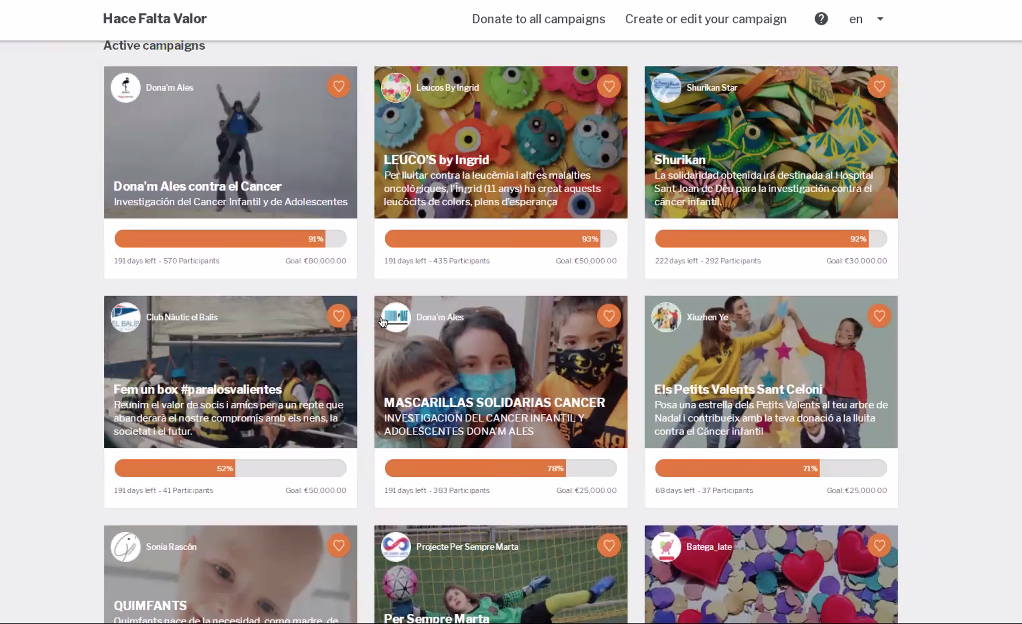
It can be noted the audiences that support campaigns can be quite static. Many organisations going back to the same audience for every campaign that they are trying to launch and an element of fatigue can set in. Ben noted that the key differentiator in this situation is creativity and cited some examples of fundraising campaigns using Stockcrowds technology. One particular was a campaign to buy an educational school bus and the platform allowed donors to fund different parts of the vehicle.
This format for fundraising has shown not only to be very effective in engaging a fundraising community but also helps the donors understand what their money is actually contributing towards.
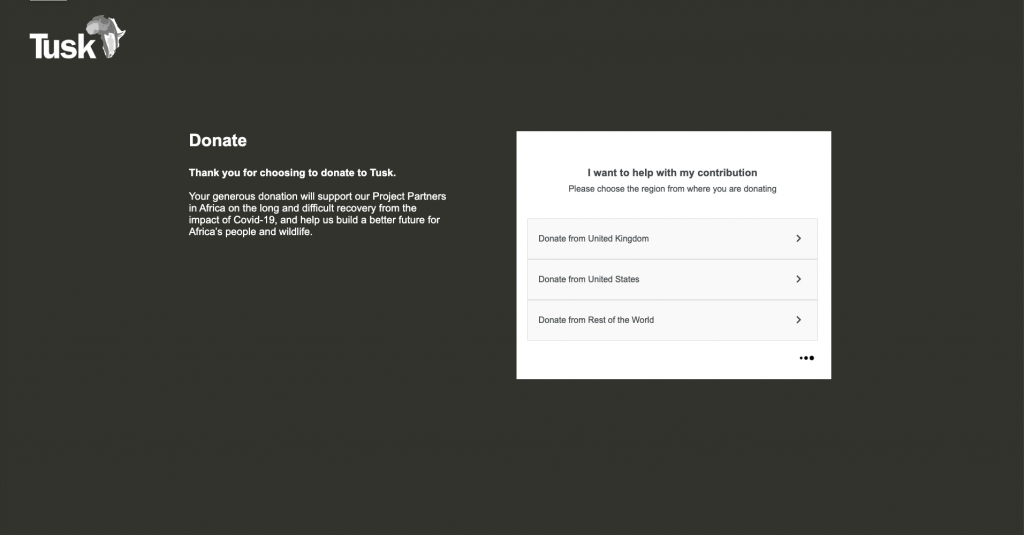
Another challenge facing organisations, Ben highlighted, is the internationalisation of fundraising campaigns. How organisations can show a common journey of donors when they live across different tax structure regions. The solution that Stockcrowd is able to offer is the ability to create different donation forms depending on the region of the donor.
Q&A
As an organisation that has started in the UK and now working across Europe, do you see things that other countries or sectors are doing that can be implemented from a fundraising perspective?
Ben: We are seeing a trend towards gamification of the donor experience. We are also changing things to allow people who feel an affinity towards a cause rather than just towards the organisation. For example, Exeter University has a strong dementia research programme, I can be engaged with this cause, even though I did not go to Exeter University.
Fundraising is moving towards caused-based models/ Lots of institutions are in campaign mode but how does this work on the Stockcrowd platform from a user perspective?
Ben: One of the things that differentiate Stockcrowd from other fundraising platforms is its ability to host different campaigns side by side. For example, fundraising for a new science block and then right next to it, a campaign to fund a scholarship. The point is that you are inviting your community into a single space and allowing them to decide on which aspects of the organisations fundraising efforts they want to engage with.

How much flexibility does the Stockcrowd module offer for alumni to create their own campaigns?
Ben: If you are using the Aluminate Community Builder it’s very easy. The power of having Stockcrowd integrated into the Aluminate Community Builder is that you can leverage your own community network. People are familiar with it and then this is one more widget that empowers them to do the fundraising bit. What you’re doing here is turning your donors into fundraisers and getting a far greater reach.
Find out more about how Stockcrowd and Aluminate Community Builder can help supercharge your community fundraising and increase your social impact capabilities.
We design our Creating Connection events in order to provide community managers and builders with a space to learn and interact about the challenges and successes they face in their communities
Sign up for our next Creating Connection event here.
The post Expanding Your Fundraising Community appeared first on Aluminati Network Group.
]]>